
Rusizi Birding Safari: Discover Burundi’s Avian Hotspot
Positioned just 15 kilometers from Bujumbura, Rusizi National Park stands as one of Burundi’s premier birding destinations and a recognized Important Bird Area (IBA). The unique geographic layout—where the sprawling floodplains of the Rusizi River converge with the northern tip of Lake Tanganyika—creates a rich tapestry of habitats. From deep papyrus marshes and seasonal reed beds to acacia woodlands and open sandbars, this compact park is home to over 200 recorded bird species, making it an essential stop for serious birders and wildlife photographers alike.
A dedicated Rusizi Birding Safari offers an immersive experience, combining early morning foot tracking along established wetland trails with targeted river boat launches to observe both endemic residents and palearctic migratory waterfowl
Key Avian Highlights & Targets
The park’s biodiversity spikes along the delta, offering high-probability sightings of specialized species that are highly sought-after on East African birding lists:
- The Papyrus Specialists: Navigate the dense river fringes to search for the elusive Papyrus Gonolek and the secretive White-winged Swamp Warbler.
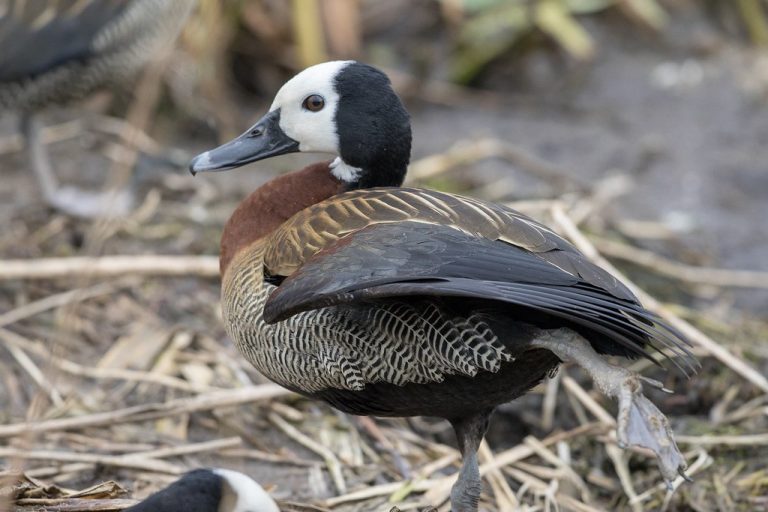
- Waterfowl & Shorebirds: Watch the shallows and sandbanks for massive aggregations of White-faced Whistling-Ducks, Glossy Ibises, African Openbills, and seasonal flocks of Lesser Flamingos.
- Specialty Skimmers & Terns: Observe the unique hunting techniques of the resident African Skimmer and the acrobatic flights of the White-winged Tern over the open channels.
- Vibrant Passeres & Weavers: Explore the drier acacia edges to spot the Red-chested Sunbird, Angola Weaver, Baglafecht Weaver, and the highly localized Sharpe’s Pied Babbler.
Specialized Birding Itinerary Structure
To maximize your species count, our birding safaris are meticulously timed around peak avian activity windows:
1.06:30 AM – Dawn Departure & Field Positioning: Best for Canopy & Woodland Species.
Depart your Bujumbura hotel at first light to arrive at the park gates as the bird choir begins. Start with a slow, quiet walk through the transitional acacia scrub and dry savannah grasslands. This early window is prime for spotting weavers, sunbirds, cisticolas, and perched raptors like the Long-crested Eagle before the heat forces them to deep cover.
2.08:30 AM – Guided Wetland Trail Trek: Targeting Marsh Endemics.
Transition toward the network of boardwalks and natural tracks winding through the seasonal mudflats and papyrus blocks. Accompanied by an expert local birding guide, use specialized playback calls and high-ground vantage points to isolate camouflaged reed-dwellers, including herons, rails, and target warblers.
3.10:30 AM – Mid-Morning Delta Boat Launch: Focusing on Aquatic Species & Skimmers.
Board a stable, low-profile motorized boat designed for steady photography on the water. Cruise slowly down the river channels toward the Lake Tanganyika confluence. This aquatic viewpoint brings you within close range of sandbank nesting colonies, allowing unobstructed views of African Skimmers, kingfishers, and crocodiles.
4.01:00 PM – Lakeside Debriefing & Check-In: Species Checklist Review.
Conclude the field session at a quiet lakeside lodge. Enjoy a relaxed lunch while reviewing the day’s official avian checklist with your guide, logging your sightings and identifying any notable migratory species before returning to the city or airport.
Seasonal Birding Guide
While Rusizi yields excellent resident counts year-round, timing your trip can dramatically shift the composition of your checklist:
| Season & Timing | Environment & Wildlife Observations |
|---|---|
|
Dry Season (Peak Mammals & Residents) June to September |
Lower water levels expand river sandbars and mudflats. Easy walking trail access.
Key Sightings: High concentrations of resident shorebirds, hippos, and nesting waterbirds. |
|
Wet Season (Peak Migratory Window) October to May |
High water tables expand the delta marshes. Lush, green vegetation.
Key Sightings: Arrival of massive flocks of Palearctic migratory birds, including terns, waders, and seasonal flamingos. |
Essential Gear Checklist
- Optics: High-magnification binoculars ($8\times42$ or $10\times42$) are mandatory. A spotting scope with a tripod is highly recommended for scanning wide open river channels and lake shorelines.
- Photography: Bring a telephoto lens (minimum 300mm to 600mm) with a fast shutter speed capability to capture birds in flight over the delta waters.
- Field Clothing: Dull, earth-toned clothing is essential to avoid startling sensitive species. Long sleeves, a wide-brimmed hat, waterproof trail shoes, and heavy-duty insect repellent are required for marsh tracking.